







Search Results for: low-temperature blooming
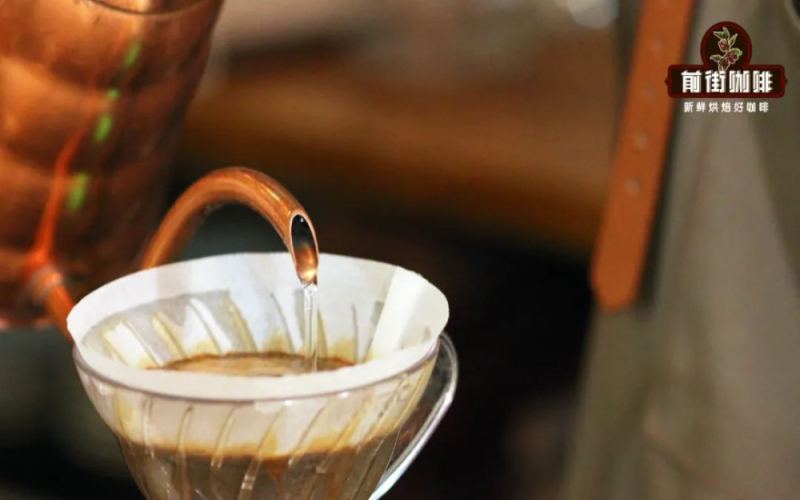
Too Many Fines in Pour-Over Causing Bitterness? Try the Low-Temperature Bloom Method to Lower Extraction Yield
In pour-over coffee, over-extraction is one of the main causes of bitterness, and the excessive fines produced by underperforming grinders often exacerbate this problem. Front Street Coffee has previously introduced the stepped temperature-decline extraction method to reduce the extraction rate in the middle and latter stages, and this time we'll share using low-temperature water for the blooming stage. Emi, the 2018 WBrC champion, once adopted a low-temperature blooming strategy, using a valve dripper to alternate immersion and drip extraction, with the aim of gently extracting sweetness and avoiding a dry finish. Front Street tested with Ethiopian Hualigui beans, which had a fines rate of 14% when ground with a hand grinder, and produced a lingering dry bitterness after conventional brewing. By adjusting the blooming water temperature to 83°C, extending the blooming time to 35 seconds, and then raising the water temperature to 93°C for subsequent pours, the result was a balanced flavor with rich berry-like sweetness and acidity, a noticeable tea-like aftertaste, and no bitterness. If you've also struggled with over-extraction, you might want to consider this approach. [more…]

Temperature Variation Techniques in Coffee Brewing: Three Low-Temperature Water Methods to Unlock Geisha's Floral Aroma and Sidra's Fruity Notes
In recent years at the World Coffee Brewing Championship, competitors have frequently used low-temperature water for brewing, and even champion brewers have shared similar approaches. In fact, this isn't truly cold water, but a variable-temperature brewing method using water cooler than conventional hot water—extracting coffee in stages with multiple water temperatures to regulate the speed and amount of soluble compounds dissolving, thereby achieving the ideal flavor. This article shares three common and practical variable-temperature brewing methods: the bloom variable-temperature method, the final-stage variable-temperature method, and the immersion variable-temperature method. Using Panama Geisha and Finca La Frontera Sidra as examples, Front Street provides detailed parameters such as water temperature, grind size, and coffee-to-water ratio to help you easily try it at home. [more…]
Panama Elida ASD Anaerobic Low-Temperature Slow Natural Geisha: Four Pour-Over Brewer Methods and Flavor Comparison
Front Street recently acquired a Geisha coffee bean from Elida Estate in Panama, processed using the NATURAL-ASD anaerobic fermentation low-temperature slow sun-drying method—the same process used for this year's Panama BOP champion Geisha in the processing category. After the beans were properly rested, we tested brewing with a hollow filter cup, Ice Eye filter cup, cake filter cup, and diamond filter cup, standardizing the parameters to 15 grams of coffee, medium-fine grind, 90°C water temperature, and a 1:15 coffee-to-water ratio, recording the extraction time and flavor performance for each filter cup. Elida Estate is renowned for its sun-dried processing, and this ASD Geisha shines in fermentation aroma, juicy mouthfeel, and layered tea-like notes. Below, we share four specific brewing recipes and comparison results for coffee enthusiasts' reference. [more…]
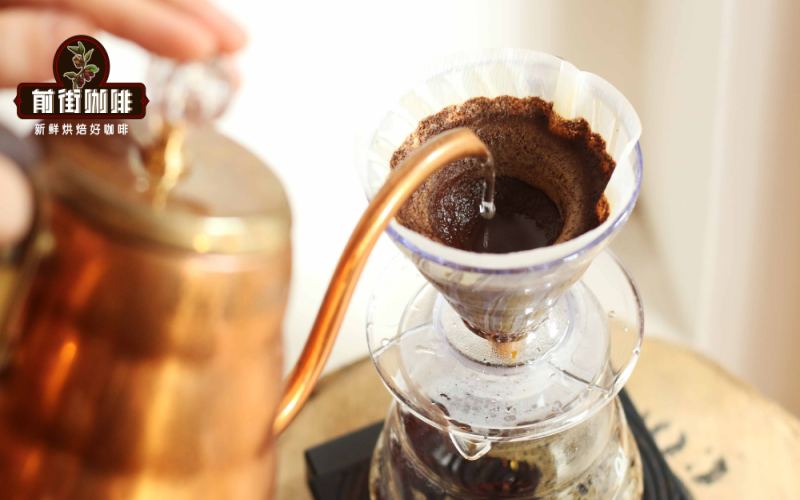
Low-Temperature Fine-Grind Slow-Pour Method Practical Guide: Pour-Over Extraction Parameters and Flavor Comparison Using 50°C Water with Moka Pot Grind
The joy of pour-over coffee lies in the fact that with the same bean, a different extraction approach can produce a completely different flavor in the cup. Today I'll share a special method called "low-temperature fine-grind slow pour," inspired by automatic cold brew machines—grinding the coffee to a fineness close to espresso, then using low-temperature water to extract slowly. This approach both releases the coffee's flavors more completely and effectively avoids over-extraction. Below, using Front Street. Blackberry as an example, I'll break down the grind parameters, pouring technique, and extraction ratio in detail, compare the flavor with a conventional pour-over method, and include notes from actual practice for coffee enthusiasts to try. [more…]

Ice Water Pour-Over Coffee in Practice: A Full Breakdown of Grind Adjustment, Bloom Time, and Pulsed Extraction Parameters
Brewing pour-over coffee directly with ice water might sound unreliable—low-temperature extraction is inefficient, so won't it turn out weak and tasteless? In fact, with the right method, ice-water pour-over can fully deliver rich, smooth layers of flavor. Using Front Street Flower Kui coffee beans as an example, this article compares the brewing results of three different blooming times (30 seconds, 1 minute, and 1 minute 30 seconds), breaks down in detail the grind-size adjustments, blooming strategy, staged pouring technique, and stirring tips for ice-water pour-over, and helps you master the core parameters of ice-water pour-over so you can make a cup of iced coffee with rich layers and a long, lingering finish. [more…]
An In-Depth Analysis of Panama Elida Estate Geisha Coffee: Ultra-High-Altitude Terroir and Brewing Performance Across Various Drippers
Geisha coffee is renowned for its elegant and delicate flavors, and the Boquete region of Panama is the quintessential representative origin for specialty Geisha. This article focuses on a famous Panamanian Geisha estate—Elida Estate—and reviews its ultra-high-altitude terroir, variety composition, meticulous harvesting, and processing techniques. Centered on Front Street Coffee's Elida Estate ASD-process Geisha, it also presents roasting analysis and brewing comparisons across multiple drippers. From the estate's history to variety traceability, and from processing methods to extraction parameters, this takes you through a comprehensive understanding of this coffee's flavor sources and differences in performance. [more…]
Exploring Panama's Elida Estate: Variety Characteristics, Processing Methods, and Flavor Comparison of Geisha and Typica
Amid the high-altitude mist of Panama's Boquete region, Elida Estate has earned its place in the pantheon of specialty coffee through a century of heritage and exceptional quality. This article will guide you through the estate's history, terroir, and cultivated varieties, and from the tasting perspective of Front Street Coffee, compare the flavor differences between Elida Geisha and Typica. From the champion anaerobic fermentation low-temperature slow sun-drying process, to the refined roasting curves and brewing parameters, and to the rich layers revealed in cupping, we will together uncover the secrets behind Elida coffee's high esteem. [more…]
Panama Elida Geisha Coffee Buying Guide: Estate Parameters and Brewing Techniques Explained
Hacienda Elida in Panama is a legend in the specialty coffee world, and its Geisha coffee once won the championship in the Geisha processing category at the BOP competition. From the tasting perspective of Front Street Coffee, this article provides a comprehensive analysis of Hacienda Elida's regional terroir, a parameter comparison between the two major varieties Geisha and Typica, the process details of anaerobic fermentation with low-temperature slow sun-drying, as well as roasting recommendations and brewing plans for these two beans. Whether you are a beginner just getting started or a seasoned enthusiast, you can gain practical brewing references from it and recreate the floral aroma and fruity charm of Elida Geisha at home. [more…]
Characteristics of Panama Elida Estate Geisha and Typica Coffee Beans and Analysis of Varieties in the Boquete Region
In the Boquete region of Panama, besides the world-renowned La Esmeralda Estate, there is another equally outstanding estate: Elida Estate. Founded in 1918, this estate has coffee grown at elevations up to 1,850 meters, making it one of the highest coffee estates in Panama. Elida Estate is known for its Geisha and Typica varieties, employs anaerobic fermentation with slow low-temperature sun-drying processing methods, and has repeatedly broken cupping records in the BOP competition. In this article, Front Street Coffee (FrontStreet Coffee) will take you on an in-depth look at Elida Estate's regional terroir, variety characteristics, processing techniques, and roasting and brewing recommendations, while also comparing it with La Esmeralda Estate's Diamond Mountain coffee beans, to provide coffee lovers with a comprehensive reference. [more…]
Panama Elida Estate Geisha and Typica: A Complete Guide to Natural Processing and Cold Brew Flavor Analysis
Located in the Boquete production region of Panama, Elida Estate has a century-long history and high-altitude microclimatic conditions, and its Geisha and Typica coffee beans each have their own distinctive characteristics. Using Elida Estate's anaerobic fermentation low-temperature slow sun-dried Geisha and sun-dried Typica as examples, Front Street Coffee explains them one by one, from the production region background, variety characteristics, green bean analysis, roasting curves, to cupping flavors and brewing parameters. The article also shares a home method for making cold brew coffee, helping coffee lovers make a full, juicy Geisha iced coffee at home. [more…]
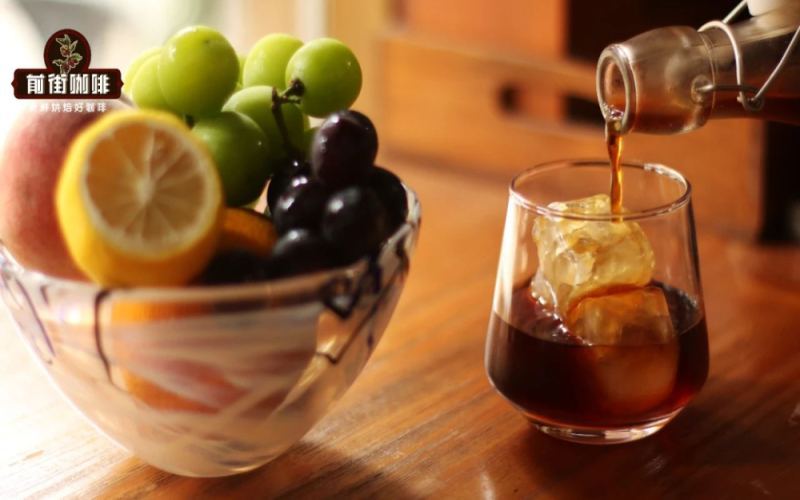
Ice Drip, Cold Brew, and Iced Pour-Over: A Full Analysis of the Flavor Differences and Coffee-to-Water Ratios of Three Low-Temperature Coffees
On a scorching summer day, a refreshing glass of iced coffee is undoubtedly a coffee lover's favorite. As representatives of low-temperature extraction, cold drip coffee and cold brew coffee have become stars among summer beverages, thanks to their crisp taste and rich flavor layers. At the same time, rapidly cooling hot pour-over coffee by adding ice is also a convenient option. Taking Front Street Coffee's practice as an example, this article will analyze in detail the historical origins and brewing process of cold drip coffee, compare the differences in extraction principles between cold brew and iced pour-over, and provide specific coffee-to-water ratios, grinding adjustment suggestions, and recommended bean types, helping you find the summer iced coffee solution that best suits your taste. [more…]
Exploring Panama's Elida Estate: A Comparison of Geisha and Typica Varietal Flavors and Processing Method Analysis
Located in the Boquete production region of Panama, Elida Estate has a century-long history and a high-altitude growing environment, making it a star estate that attracts much attention in the specialty coffee world. For this comparison, Front Street Coffee selected Geisha and Typica from the same plot and at similar altitudes at Elida Estate, breaking down the performance of the two beans one by one, from variety characteristics and processing method differences to roasting curves and cupping flavors. The article also provides an in-depth introduction to the estate's growing conditions, the characteristics of the Catuai variety, and how the anaerobic fermentation low-temperature slow sun-drying process produces a champion-level Geisha. Whether you want to understand the flavor differences between Geisha and Typica, or are interested in processing methods and roasting details, you can gain valuable reference from it. [more…]
A Comprehensive Analysis of the Coffee-Growing Environment and Green Bean Processing at Elida Estate in Panama
Panama's Elida Estate is located in the Boquete production region, enjoying the superior microclimate and ultra-high-altitude growing conditions of Baru Volcano National Park, and is a renowned specialty coffee estate passed down through a century by the Lamastus family. This article will introduce the estate one by one, from its growing environment, coffee varieties, harvesting standards, post-processing procedures, to the low-temperature resting process for green beans, and will analyze the causes of Elida coffee's unique flavor. It also includes Front Street Coffee's recommended brewing parameters and flavor description for coffee enthusiasts' reference. [more…]

Panama Santos Estate Geisha ASD Anaerobic Low-Temperature Slow Dry Process and Flavor Analysis
Santos Café Panamá is located in the Nacimiento area of Santa Clara and has been owned and passed down by the Lezcano family since their purchase in 1947, now spanning five generations. In 2014, estate owner Mario Lezcano acquired La Marma estate and formally entered the specialty coffee field, and his Pacamara "White Horse" even won the traditional washed category championship at the 2021 BOP competition. This article focuses on Santos Estate's Geisha coffee beans, providing a detailed explanation of the ASD anaerobic fermentation low-temperature slow sun-drying process they use, and presenting Front Street Coffee's roasting approach, cupping performance, and V60 brewing parameters for this bean, offering you a comprehensive understanding of this Panamanian Geisha that combines dark berries, hawthorn acidity, and a black tea finish. [more…]
Why Extract Coffee at Different Temperatures? Analyzing Three-Temperature Variable-Temperature Brewing and Pour-Over Water Temperature Selection
In pour-over coffee, when extraction parameters are too high, it is usually possible to dial them back, but if over-extraction is caused by too many fines from the grinder, adjusting parameters alone is often not enough to solve the problem. In this case, sifting out the fines or adopting variable-temperature brewing are both response options recognized by Front Street Coffee. This article will focus on variable-temperature brewing: it is not a minor adjustment of 2~3°C, but rather segmented extraction with a larger temperature differential, controlling the dissolution rhythm of flavor compounds through high-temperature fast extraction and low-temperature slow release. The article will trace the origins of this method, analyze the championship cases of Wu Zelin and Emi, explain how to use cold water to regulate temperature and achieve a variable-temperature operation that starts high and ends low, and share in detail the practical process of the "Devil Brewing Method" by Tetsu Kasuya, which Front Street Coffee favors. [more…]
Can You Make Cold Brew with Hot or Warm Water? Flavor Comparison Experiment of Quick-Extracted Cold Brew Coffee at Different Water Temperatures
Cold brew coffee usually requires 8 to 12 hours of low-temperature slow extraction, but what if you want to drink it the same day? Raising the water temperature can speed up extraction, but if you use hot water directly, it becomes hot brew, and the floral and fruity aromas and low bitterness unique to cold brew will also disappear. Front Street compared three methods through experiments: conventional 23°C cold water extraction for 10 hours, 40°C warm water extraction for 4 hours, and 92°C hot water blooming followed by room-temperature water extraction for 4 hours. The beans used were Colombia · Hanami, with full berry acidity, floral notes, and pink pepper flavors. The results showed that the 40°C warm water rapid cold brew was closest to the performance of conventional cold brew, with both a fermented feel and clearly presented flavors, making it suitable for friends who want to drink cold brew quickly. [more…]
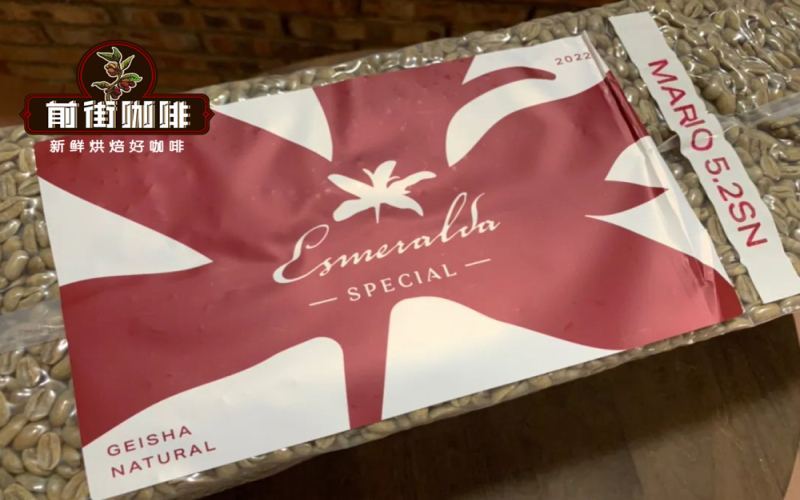
Panama Elida Estate Natural Typica: A Century of Heritage in Specialty Coffee Flavor and Brewing Analysis
In the landscape of Panamanian specialty coffee, Hacienda La Esmeralda's Geisha is certainly renowned, but knowing only that one could mean missing out on many other delights. Elida Estate, as a gem passed down through a century by the Lamastus family, relies on the high-altitude microclimate of the Boquete region, along with strict manual picking and low-temperature resting processing, to cultivate a uniquely flavored natural Typica. Front Street Coffee recommends this bean this time, breaking down one by one its fascinating expression interwoven with peach, raisin, orange, and cane sugar—from the terroir of the region, the estate's history, to green bean characteristics, roasting curves, and brewing parameters—to lead you to appreciate another kind of charm in Panamanian coffee. [more…]
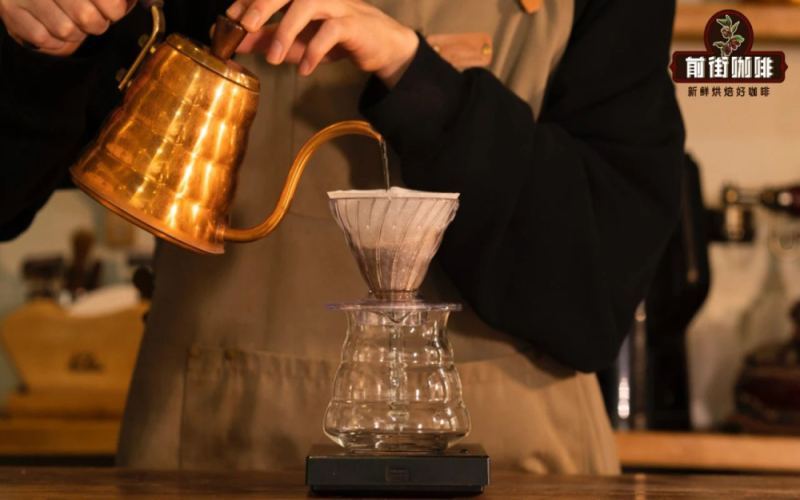
Ice Drip vs. Iced Pour-Over Coffee: A Flavor Comparison of Low-Temperature Slow Extraction and High-Temperature Fast Extraction
Ice drip coffee and iced pour-over coffee are often mentioned together, but the two differ significantly in extraction principles, flavor expression, and brewing process. Ice drip is a low-temperature slow extraction, while iced pour-over is a high-temperature fast extraction followed by cooling. Temperature greatly affects the breakdown rate of oils, acids, and sugars in coffee, thereby shaping distinctly different aromas, mouthfeels, and layers. From the perspective of Front Street Coffee, this article systematically sorts out the respective characteristics of high-temperature extraction and low-temperature extraction, and, using Honduras Sherry coffee beans as an example, records in detail the brewing parameters and flavor comparison of ice drip and iced pour-over, helping coffee enthusiasts more clearly understand the essential differences between the two kinds of iced coffee. [more…]
Cold Brew Coffee via Low-Temperature Slow Extraction: Principles, Grind Size Selection, and the Suitability of Mandheling
The most delightful thing in summer is nothing more than staying at home with the air conditioning on and drinking a cup of homemade cold brew coffee. Cold brew uses low-temperature extraction throughout, which is completely different from iced pour-over or iced Americano, where hot water is used first and ice is added afterward. Low temperatures suppress the release of bitter compounds, but they also lengthen the extraction time, generally requiring 6 to 12 hours. This article will explain the relationship between the extraction principles of cold brew and the flavor composition of coffee beans, explain why increasing concentration actually requires coarsening the grind, provide a specific method using 30g of coffee, a 1:13 coffee-to-water ratio, and 8-12 hours of refrigeration, and sort out three types of beans suitable for cold brew: light roast, fermented flavor, and dark roast, with a key response to whether Mandheling is suitable, while also noting that choosing coffee beans rested for more than 10 days is better for aroma expression. [more…]
What are the differences between ice drip, cold brew, iced pour-over, and iced coffee? Using Honduras Sherry beans as an example to analyze low-temperature and high-temperature extraction
What exactly is the difference between cold brew coffee and iced pour-over coffee? Front Street Coffee receives this question almost every day. In short, cold brew is a low-temperature slow extraction, while pour-over is a high-temperature fast extraction. The two paths ultimately present flavors and mouthfeels with their own distinctive characteristics. From the perspective of Front Street Coffee, this article first sorts out the influence of temperature on coffee extraction, then explains the advantages and shortcomings of high-temperature and low-temperature extraction respectively. After that, using Honduras Mocha Estate Sherry coffee beans as a sample, it fully demonstrates the production process, coffee-to-water ratio, fermentation key points, and storage suggestions for cold brew coffee and iced pour-over coffee, and includes a simple method for iced Americano, helping coffee lovers understand the flavor directions of different iced coffees. [more…]